Heirloom Quality vs. Big-Box Furniture: What’s the Difference
The Furniture Industry Has an Expiration Date Built In
If you’ve furnished a home in the last decade, you’ve probably noticed something. Furniture doesn’t seem to last the way it used to. A sofa sags within a few years. A dresser drawer starts sticking. A dining chair develops a wobble no amount of tightening ever fixes.
That’s not your imagination, and it’s not bad luck. Most furniture sold today is built to a lifespan of roughly five to seven years. Not because that’s all the materials are capable of, but because that’s what the business model calls for.
Heirloom-quality furniture is built to a different standard entirely. Built well, a solid wood piece with proper joinery should last twenty-five to thirty years, long enough to pass from one generation to the next, which is where the word heirloom actually comes from. I’ve spent my career on the building and design side of this industry, and I can tell you the difference isn’t marketing. It’s structural. Once you know what to look for, it’s visible.
The Ladder Problem: Same Name, Different Product
Here’s something I’ve seen play out again and again in the trades, and I think it explains the furniture problem better than anything else I could tell you. Buy a well-known ladder brand from a professional supplier, and buy what looks like the exact same ladder from a big-box home improvement store, and you’ll often find they aren’t actually identical. Different rivet count. Thinner rail gauge. A lighter-duty rating. Same label, different product, because large retailers frequently negotiate a specific version of a product built to hit a price point, not the version built to the manufacturer’s best standard.
Furniture works the same way. A brand name on a tag tells you very little about how the piece in front of you was actually built. Two pieces can share a name, a finish, even a photo in the same catalog, and still be built to completely different internal standards, because the version sold at scale through a big-box retailer is usually engineered down to a price, not up to a lifespan.
What “Planned Obsolescence” Means for a Dresser
In manufacturing, planned obsolescence means designing a product to fail or feel outdated within a predictable window, so the customer comes back and buys again. A lot of furniture sold at big-box scale is built this way, whether or not anyone ever says so out loud. A five-to-seven-year lifespan isn’t a defect. From a mass manufacturer’s perspective, it’s the plan. Faster turnover matches faster style cycles, keeps price points low, and keeps people coming back to buy again.
The problem is that most buyers never find out they’re purchasing on that timeline. A dresser that costs $900 and lasts six years actually costs more per year of use than one that costs $2,400 and lasts thirty. The price tag tells you what you’re paying today. It doesn’t tell you what you’re actually buying.
How Heirloom Furniture Is Built Differently
The difference between five years and thirty years isn’t hidden in the finish. It’s hidden in the joints, and after years in this business, I can tell you exactly where to look.
Drawers and Joinery
A drawer built to last uses hand-cut or precision-milled dovetail joints, where the wood itself interlocks under tension. The more weight and use it takes, the tighter it holds. A drawer built to a five-year lifespan is more often stapled, glued, or doweled at the corners, which holds up fine until repeated use works the joint loose. At that point there’s nothing left holding it together but adhesive.
Case Pieces
A dresser, credenza, or sideboard built for longevity uses mortise-and-tenon joinery at every structural point, kiln-dried solid wood that’s been allowed to acclimate before assembly so it won’t warp or crack, and a hand-applied finish that penetrates the wood rather than sitting on top of it as a sprayed coating. A piece built for a shorter lifespan more often uses engineered wood or veneer over particleboard, corner brackets and cam-lock fasteners instead of true joinery, and a finish designed to look good on day one rather than age well over decades.
Upholstered Frames
Upholstered furniture follows the same pattern. A frame built to last is kiln-dried hardwood, doweled and glued at every joint, with eight-way hand-tied springs. A frame built to a shorter lifespan is often softwood or plywood, stapled rather than joined, with sinuous wire or webbing in place of hand-tied springs. Lighter, cheaper, and noticeably shorter-lived under daily use.
None of this is visible from a showroom floor unless you know where to look, which is exactly why I think it’s worth asking.
The Proof Walks Through Our Door
I hear some version of this story on a regular basis, and it’s one of my favorite parts of this business. Customers like Lee and Cisco come in not because their furniture failed, but because it didn’t. They bought their sofas twenty-five years ago, raised four kids and two dogs on them, and the frame is exactly as solid today as it was the day it left the workshop. The only thing they’ve ever needed from us is reupholstering, because fabric wears out decades before a properly built frame ever will.
That’s the real test of heirloom quality. Not whether a piece survives being sat on once, but whether it survives a family growing up on it and still has enough structural life left afterward to be worth dressing back up rather than throwing away. A frame that lasts is what makes reupholstering possible in the first place. Replace the fabric on a piece with a five-year frame, and you’re just delaying the inevitable by a season or two. Replace the fabric on a piece built to last, and you’ve effectively started the clock over.
The Real Cost Comparison
Run the actual math and the whole story changes. A big-box dresser at $900 with a six-year lifespan costs $150 a year, plus the cost and disruption of replacing it. An heirloom-quality dresser at $2,400 with a thirty-year lifespan costs $80 a year, and it’s still functional, still repairable, and often still gaining character rather than falling apart.
In my experience, heirloom furniture isn’t actually the more expensive option. Over the life of the piece, it’s usually the cheaper one. It just asks you to pay more up front to get there.
How to Tell the Difference When You’re Shopping
You don’t need to be a furniture maker to spot the difference. Here’s what I tell people to check before they buy:
- Pull a drawer fully open and look at the corners. Dovetails versus staples tell you almost everything.
- Check the weight. Solid wood is heavier than particleboard or veneer of the same size.
- Ask what’s inside an upholstered frame. Any maker who can answer specifically, down to the joinery and spring type, is building to a different standard than one who can’t.
- Ask how long the piece is expected to last, and watch for a vague answer. A maker who’s built for durability will have a real number.
Come See the Difference for Yourself
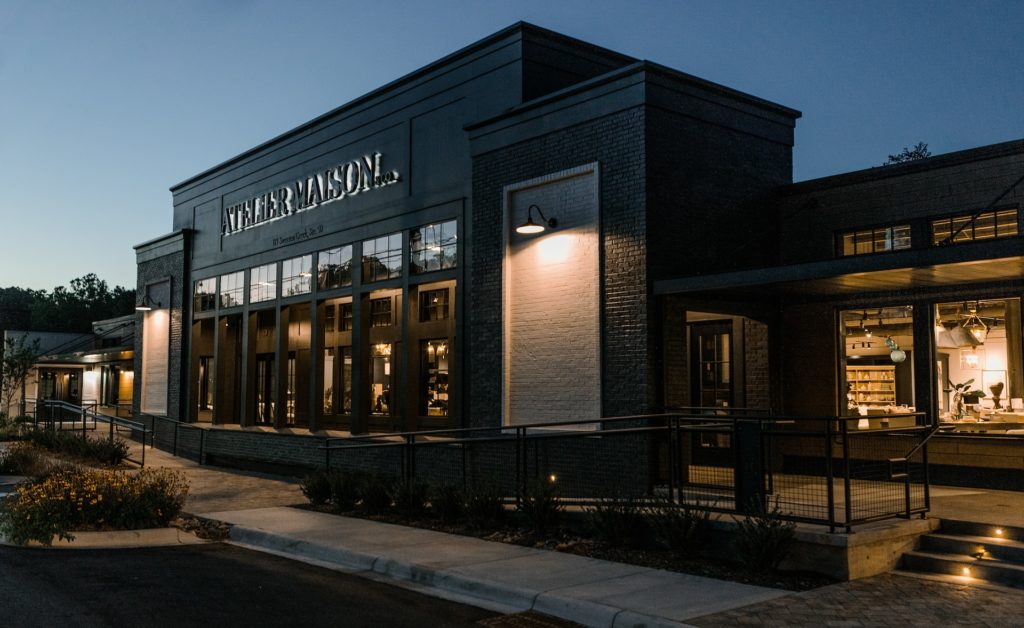
If you’re furnishing a space you want to be still using in twenty years, the best way to see the difference is up close. Visit our showroom.
View More Projects
Can I Buy Furniture Off the Showroom Floor? | Atelier Maison & Co.
What Does Offgassing Mean? | Atelier Maison & Co.
Should You Use Your Furniture Store’s Design Services?
Best Home Decor & Accessories Store in Asheville, NC