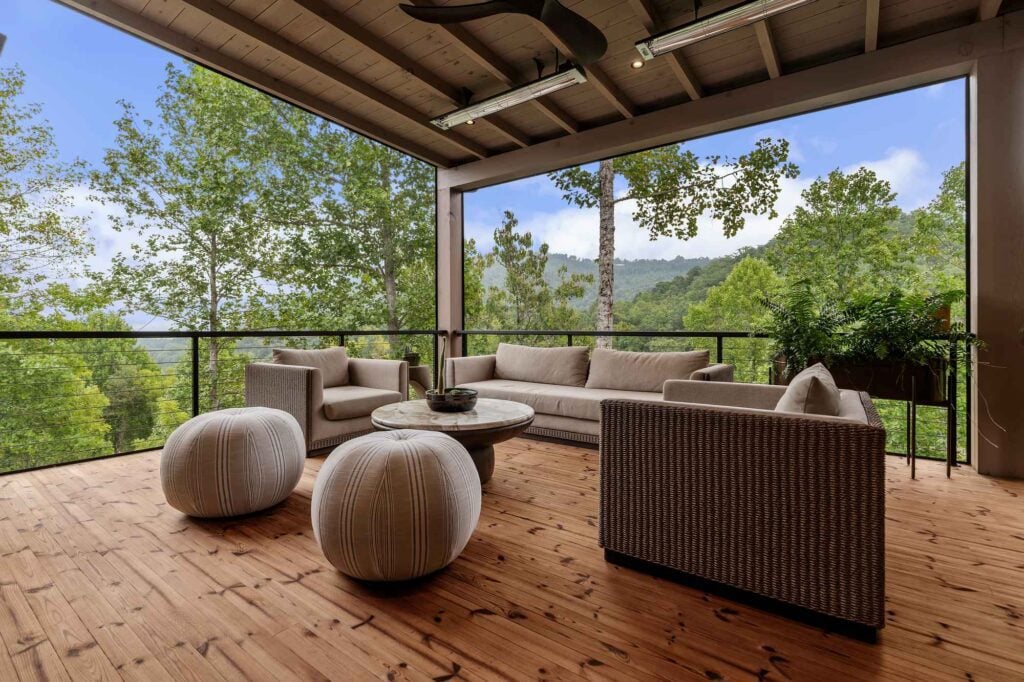
How Much Should I Plan to Spend on Furnishing My Home?

A furnishing budget can vary widely, but for a fully furnished home, we often use two starting points: 10% to 15% of the home’s value or roughly $50 to $65 per square foot. These are planning estimates based on the projects we see, not fixed rules, and the right number for you will depend on what you already own, the quality you want, and which rooms you’re furnishing.
We’ve had plenty of conversations with clients who are surprised by the price of a sofa. They might remember buying one for $1,000 and wonder why a piece they’re looking at now costs $5,000.
It’s a fair question. Before you settle on a budget, it helps to understand what you’re paying for and where you want to invest. Our team can help you work through those decisions during an interior design consultation.
How much does it cost to furnish an entire house?
For a complete furnishing project, we often suggest starting with 10% to 15% of the home’s value. That estimate includes more than sofas and dining tables. It also accounts for items that are easy to overlook, such as rugs, window treatments, artwork, accessories, and case goods like dressers and cabinets.
For example, using that guideline, a $2 million home would have a furnishing budget of approximately $200,000 to $300,000.
That figure reflects a home being furnished throughout with pieces chosen to suit its level of design. It isn’t a requirement, and it won’t fit every homeowner. If you’re bringing furniture with you, furnishing only a few rooms, or planning to add pieces over time, your budget may look quite different.
How much should you budget per square foot for furniture?
Another starting point we use is $50 to $65 per square foot for a mid-range furnishing budget. This can be useful when you know how much space you want to furnish but haven’t selected individual pieces yet.
Here’s what that estimate looks like:
- A 3,000-square-foot home: approximately $150,000 to $195,000
- 1,500 square feet of that home: approximately $75,000 to $97,500
If you already have pieces you love, you don’t need to budget as though you’re starting over. Focus the calculation on the rooms that still need furnishing, then adjust for the items you already own.
Both methods are meant to start a conversation. Your final budget will depend on the number of pieces you need, their size and construction, and the finishes and fabrics you choose.
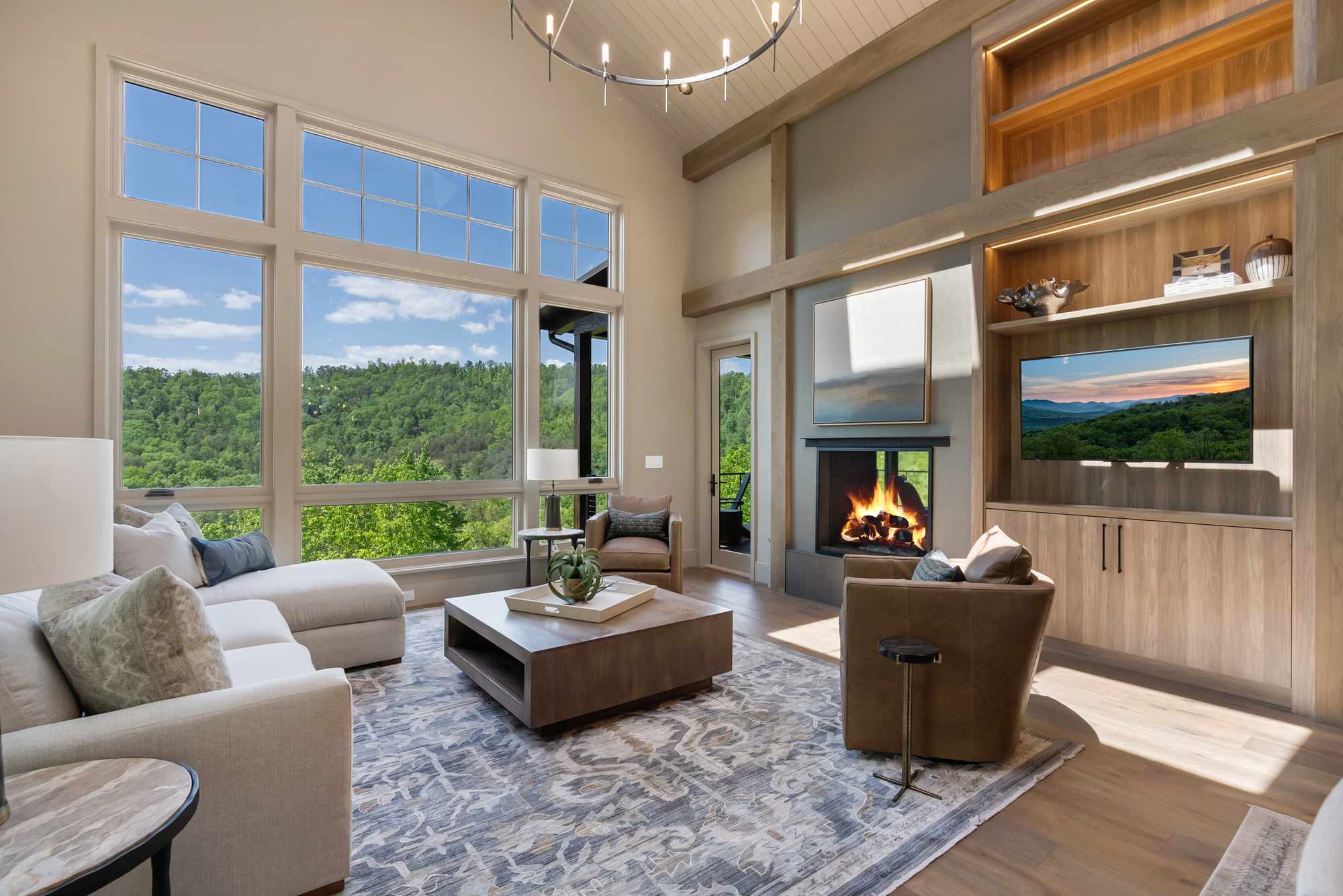
What should a home furnishing budget include?
When people first think about furnishing a house, they usually picture the larger pieces: a sofa, beds, and a dining table. Those matter, but the smaller items can add up too.
As you plan, make a list of what each room needs:
- Sofas, chairs, beds, and other upholstered furniture
- Dining tables, coffee tables, and side tables
- Dressers, cabinets, and other storage pieces
- Rugs and window treatments
- Lighting and decorative accessories
- Artwork
You may not need everything at once. The list simply gives you a clearer picture of the finished space, so you can decide what to buy now and what can wait.
How much do sofas and dining tables cost?
The prices we see vary considerably based on size, materials, construction, and customization. To give you a starting point, here are examples from the furniture we discuss with clients:
- Sofas: Roughly $3,000 to $4,000 for a mass-produced piece without customization, up to $10,000 to $12,000 for a high-end, quality-made sofa.
- Dining tables: Approximately $2,000 to $8,000.
These are examples, not price limits. You’ll find furniture above and below those ranges, and prices can change depending on the piece.
The most useful question isn’t simply, “How much does a sofa cost?” It’s “What do I want from this sofa?” A family-room sofa used every day may need different upholstery, construction, and dimensions from one in a room used occasionally.
For a closer look at the differences between production and higher-quality pieces, read our guide to what quality furniture costs.
Why does some furniture cost so much more?
Materials and construction make a difference. So do the size of the piece, the fabric or finish you select, and the amount of customization available.
When comparing sofas, for example, ask how the frame is made, what supports the cushions, and whether you can choose a fabric suited to your household. Two pieces may look similar at first glance but feel and wear differently over time.
A well-built frame may also give you more options later. We’ve had customers come in with an existing piece they love and ask whether it can be recovered, as well as what might work alongside it. When the frame is in good condition and suitable for reupholstery, keeping it can be a way to give the piece another life.
That doesn’t mean every expensive item will last for decades or that reupholstery will always be the most economical choice. Ask about construction and care before you buy, and choose a piece because its quality and features make sense for you.
Where should you spend more when furnishing a home?
You don’t have to invest the same amount in every room. I often recommend putting more of the budget toward the spaces you use most and the pieces that need to be comfortable and durable every day.
For many households, that might mean investing in the main living room sofa and choosing less expensive furniture for a secondary room. For someone else, the dining table may be the piece that matters most because that’s where family and friends gather.
There’s room for both approaches in the same home. Start with what matters to you, then decide where a custom fabric, a particular size, or a longer-lasting frame is worth the extra investment.

Should furniture materials be part of your budget?
Yes. When you compare furniture, consider the materials and finishes as well as the price and appearance.
The U.S. Environmental Protection Agency identifies furnishings and building materials as potential sources of volatile organic compounds, or VOCs. Some VOCs can affect indoor air quality, although the effects depend on the substance and level of exposure. epa.gov
We see low-emission furniture as one consideration in creating a home that feels good to live in. Ask what a piece is made from, including its finishes, foams, and upholstery, and look for reliable emissions information or certifications where available.
Our article on what off-gassing means explains more about the questions to ask.
Can you furnish your home in stages?
Yes, and for many homeowners, that’s a comfortable way to approach it. You can start with the rooms and pieces you use every day, then add rugs, artwork, accessories, and furniture for other spaces as your budget allows.
Furnishing in stages also gives you time to live in the house. You may discover that you want another chair in the living room or that a room you expected to use as a formal dining space would serve you better another way.
The key is to have an overall plan, even if you don’t buy everything immediately. That makes it easier to choose pieces that will work together over time.
Frequently asked questions about furnishing a home
Does the furnishing budget include artwork and window treatments?
Our 10% to 15% guideline is intended for a complete furnishing project, including artwork, accessories, rugs, and window treatments. If your project doesn’t include those items, your budget may be different.
Should I base my budget on home value or square footage?
Either method can help you start planning. The home-value guideline can be useful when considering a complete furnishing project, while the square-footage estimate can help when you’re working with a specific portion of the house. Neither replaces a room-by-room list of what you need.
Can I mix existing furniture with new pieces?
Absolutely. Bring photos and measurements of the pieces you want to keep. We can help you consider how they’ll fit in your new space and what might complement them.
Do I need to furnish every room at once?
No. You can begin with your most-used rooms and add pieces over time. A plan for the whole home can help you make those purchases in an order that works for your budget.
Ready to plan your furnishing budget?
If you’re furnishing a home in the Asheville area, visit Atelier Maison & Co. and tell us about your space, the pieces you already own, and what you’re comfortable investing.
We’ll help you think through your priorities and explore the furniture in our Asheville showroom, so you can make decisions that feel right for your home.
View More Projects
What Are the Best Outdoor Furniture Stores Near Asheville?
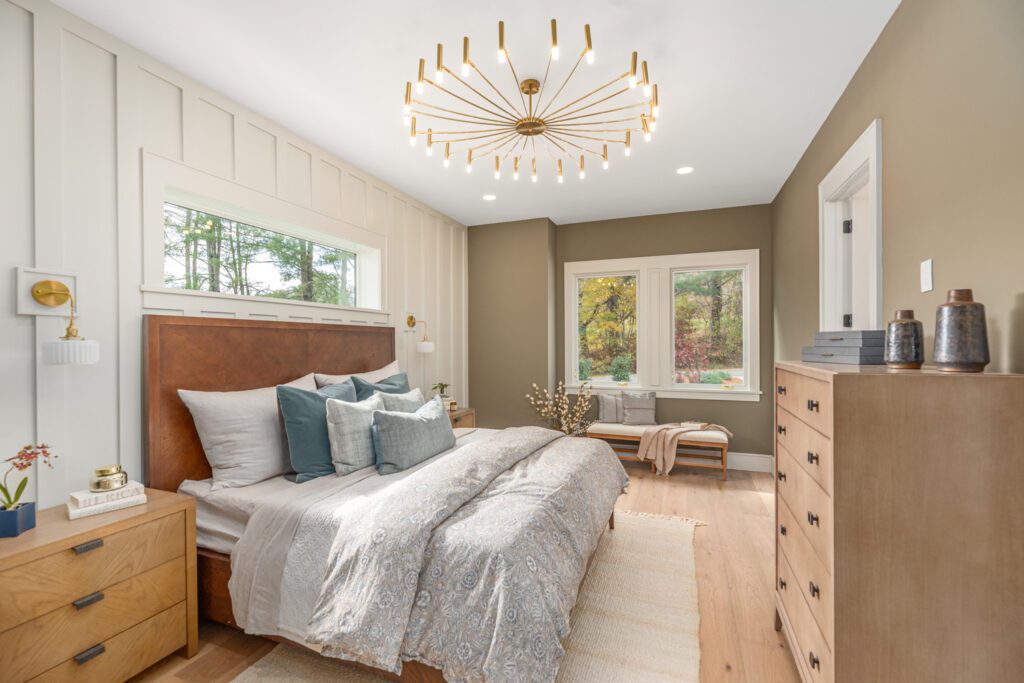
What Does Quality Furniture Cost Now? | Atelier Maison & Co.
Can I Buy Furniture Off the Showroom Floor? | Atelier Maison & Co.
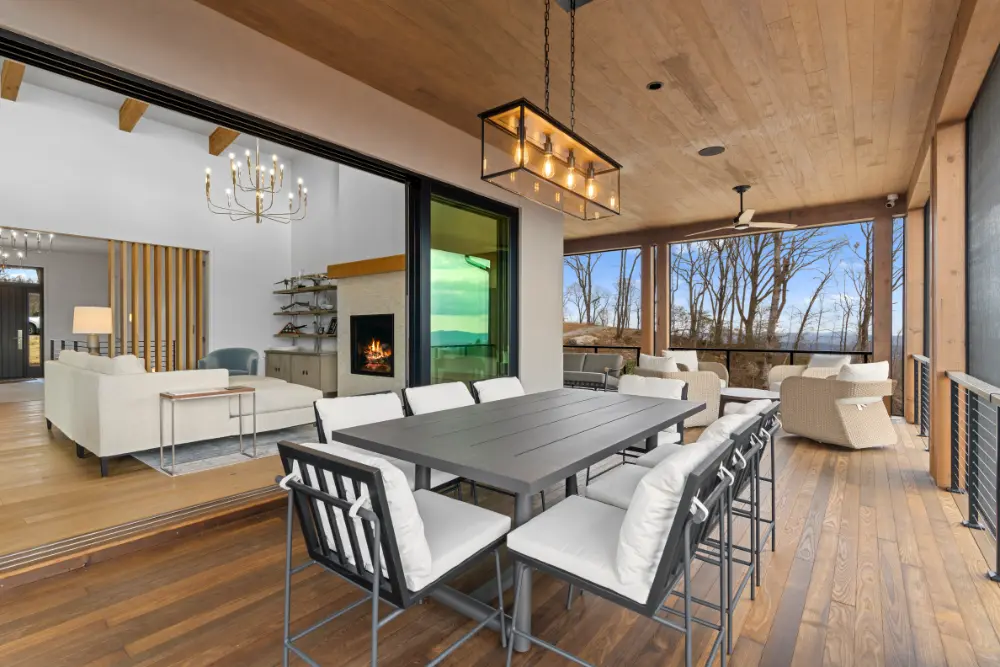
What Does Offgassing Mean? | Atelier Maison & Co.